Comparison
Pelris compared with the ways brokers buy software
This page compares the four structural ways a brokerage gets its software, without naming vendors, because the structure decides most of the outcome before any brand enters the picture. Pelris is one of the four, and we cover the cases where the other three beat us.
Four ways to get a platformFrom this guide
- Build it in house
- Stitch four vendors together
- A shared white label
- One platform from one vendor

Figures and rows from this guide's own sources. Sample market data, sample clients and sample brands. "Your Brand" stands for your own name and logo.
Option one: build it in house
A serious build means a team of engineers for a year or more before the first client logs in, then the same team forever, because a trading platform is never finished. Real time pricing, order handling, KYC flows, payments and reporting each carry their own failure modes, and every regulator conversation becomes a conversation about your code.
Building makes sense for firms whose edge is the technology itself. For a brokerage whose edge is distribution, service or a market niche, the build cost is a distraction funded at startup prices.
Read moreShow less: Option one: build it in house
On your platform
What every plan runs on
One deployment on your brand, domain and database: the terminal your clients trade on, and the CRM your team runs.
Deposits
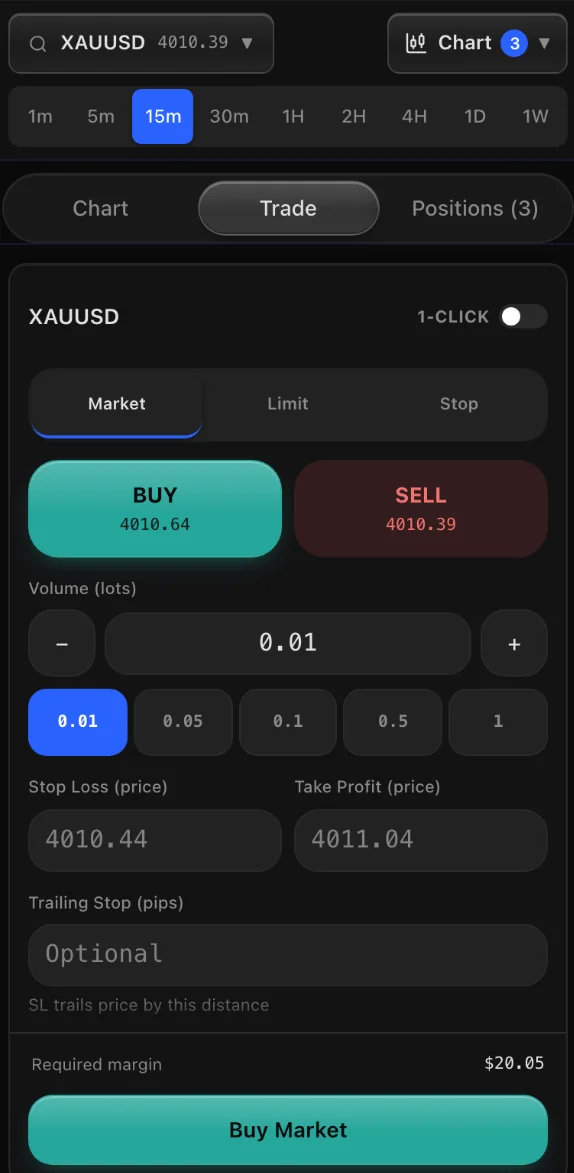
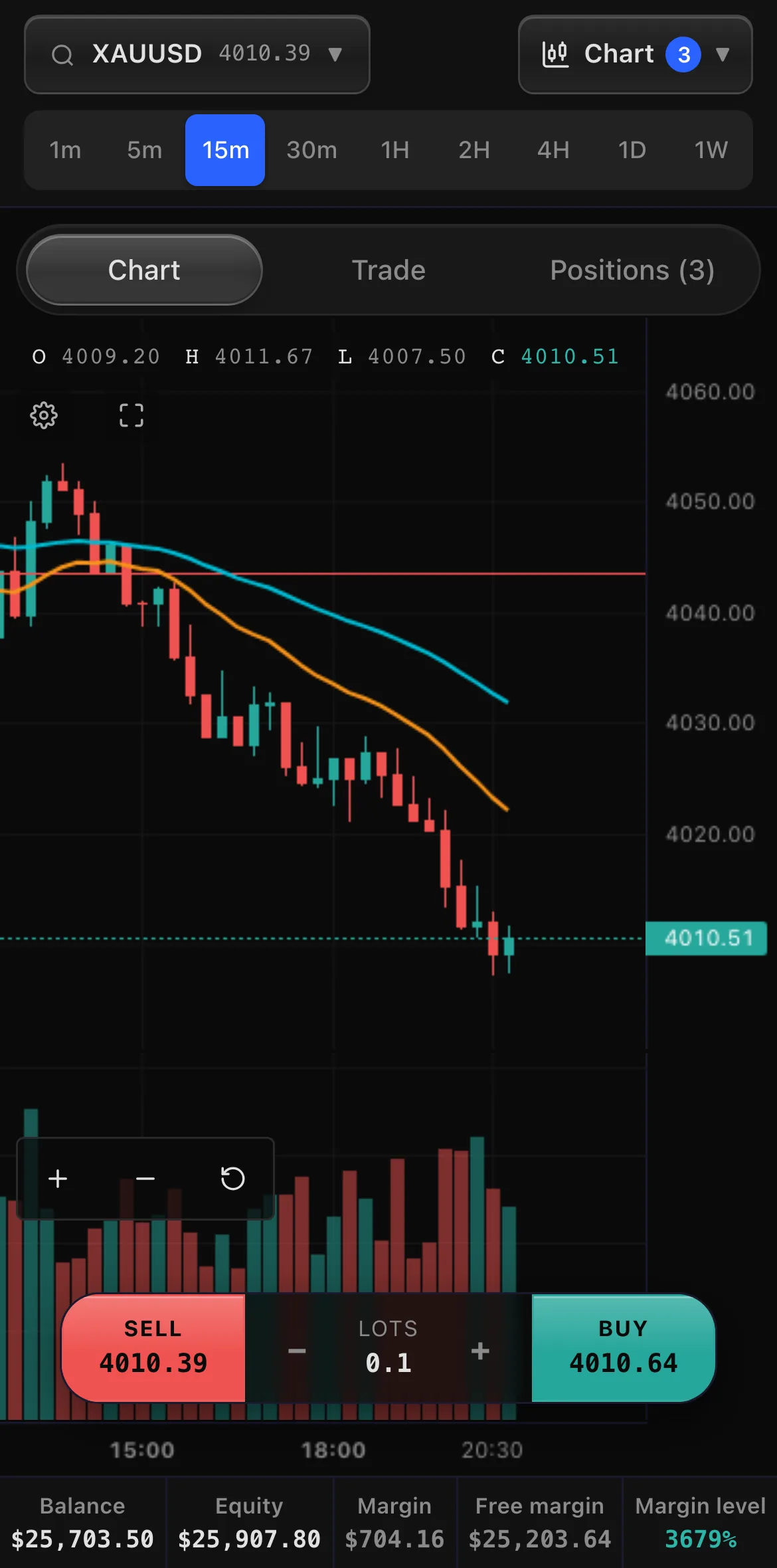
Sample market data and sample clients. "Your Brand" stands for your own name and logo.
Option two: stitch four vendors together
A CRM from one company, a trading platform from another, a bridge between them from a third, hosting and reporting from a fourth.
Read moreShow less: Option two: stitch four vendors together
Each piece can be excellent on its own, and the operation runs through the seams between them. Client data syncs break silently, one vendor's upgrade breaks another vendor's integration, and when something fails at month end, every party can say the fault is elsewhere.
The stitched stack also has a cost shape buyers underestimate: four invoices, four support contracts, four renewal negotiations, and an integrator, often you, holding it together.
Option four: one platform from one vendor
Pelris is the fourth option: one licence covering the client terminal, staff CRM, KYC, deposits, withdrawals, reporting and a mobile app (copy trading joins on the Growth plan), deployed as an isolated environment per broker with its own database and domain, at a flat published price from $1,250 per month, live in one week.
One sample platform switching between made-up brands: the name, logo, colour, typeface and web address change on the terminal and the phone sign-in.
Sample brands, made up for this page.
Sample data and sample clients.
Read moreShow less: Option four: one platform from one vendor
One vendor is accountable for the whole stack, and client money never touches our systems.
When to choose something else: if your strategy requires a specific legacy desktop platform your traders already demand, license that platform. If platform engineering is your edge, build. If you are running a two week market experiment with no brand ambitions, a shared white label is cheaper. Pelris is built for everyone else.
Common questions
Anything else? Our team answers 24/7.
What are the alternatives to Pelris?
Structurally there are three: building your own platform in house, assembling separate CRM, platform and bridge vendors into one stack, or taking a shared white label. Each trades away either time, accountability or brand ownership. Pelris packages the full stack as one licence on an isolated deployment.
Why not license a legacy desktop platform?
Established desktop platforms are proven trading front ends, and many brokers run them successfully. They are also only the front end. You still need the CRM, onboarding, KYC, payments, reporting and client portal around them, which recreates the multi vendor stack. Pelris covers that whole surface in one product instead.
Is building in house ever the right call?
Yes, when proprietary technology is the business model itself and the firm is funded for a multi year engineering commitment. For most new brokerages the platform is a means to an end, and buying it is years cheaper.
How is Pelris different from a shared white label?
A shared white label puts your logo on common infrastructure. Pelris deploys a separate environment per broker: your own database, your own domain, your brand through the terminal, CRM and client emails. Your clients see your firm.
What does switching to Pelris involve?
Once you are happy with the demo, a deployment is set up within a week. Client and account data from an existing operation can be imported in bulk, and the platform runs on your domain from day one. Book a demo and we will scope your migration before you commit.
Compare us against your shortlist
Book a demo, bring the other options you are considering, and we will tell you where we win and where we do not.