India
Starting a brokerage from India
India draws a tight legal line around who may deal in foreign exchange with its residents. This page sets out what the Reserve Bank of India and SEBI have published, what that leaves open for a founder based in India, and where trading software fits once a lawyer has shaped the business.
What RBI and SEBI allowFrom this guide's sources
- RBIElectronic trading platformsa net worth of at least ₹5 crore
- SEBIStock brokersa base net worth of Rs 1 crore
- RBIRupee currency derivativesonly to hedge contracted exposure
- RBIRemittance to trade forex abroadprohibited
Figures and rows from this guide's own sources. Sample market data, sample clients and sample brands. "Your Brand" stands for your own name and logo.
What RBI permits residents to do
RBI's position rests on one rule: residents may deal in foreign exchange only with persons RBI has authorised, and only for purposes permitted under the Foreign Exchange Management Act, 1999. When that dealing is electronic, it has to take place on an electronic trading platform RBI has authorised or on a recognised exchange, meaning NSE, BSE or MSE, and RBI says residents who trade on unauthorised platforms are liable to penal action under FEMA.
Even on those exchanges, rupee contracts come with a purpose test. RBI's Master Direction on risk management lets recognised exchanges offer currency derivatives involving the rupee only to hedge contracted exposure, while contracts that do not involve the rupee may be offered without that purpose test.
Read moreShow less: What RBI permits residents to do
Who holds whatIllustration
- Licence
- Client relationship
- Client money
- Trading accounts
Illustration.
On your platform
How the platform fits this route
One deployment on your brand, domain and database: the terminal your clients trade on, and the CRM your team runs.
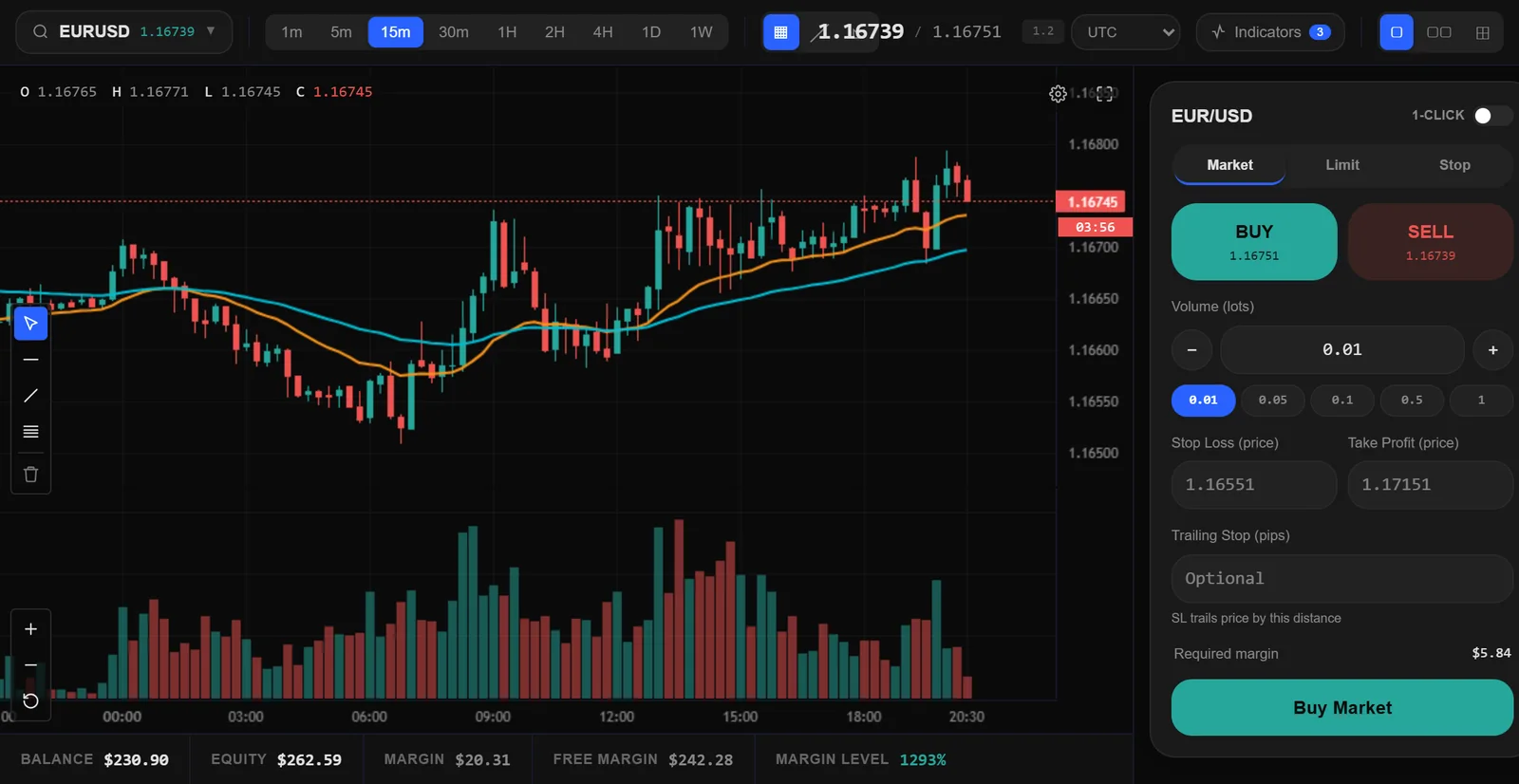
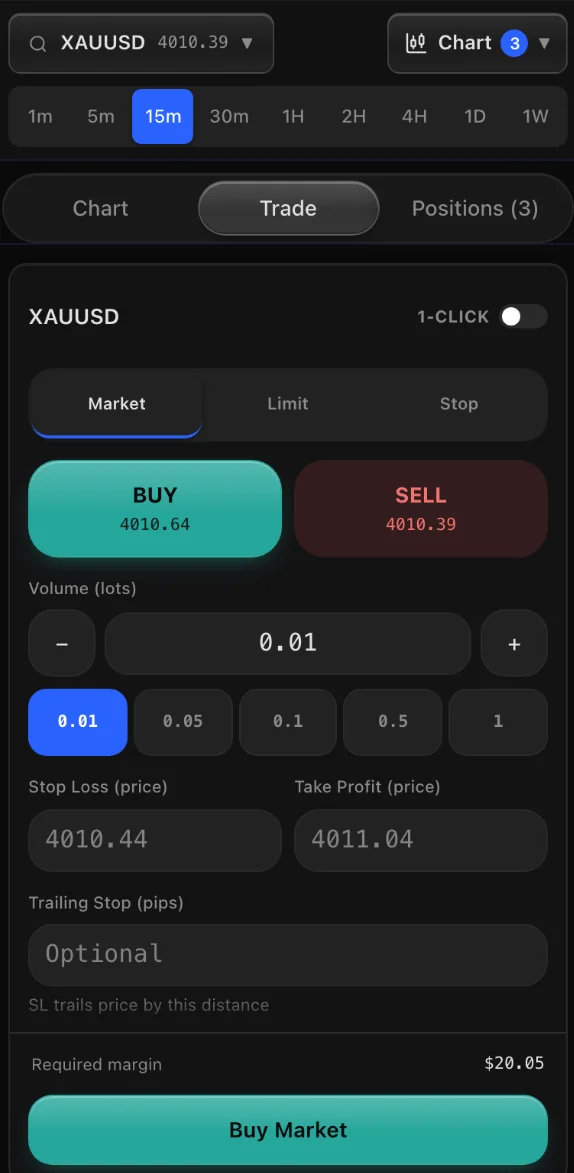
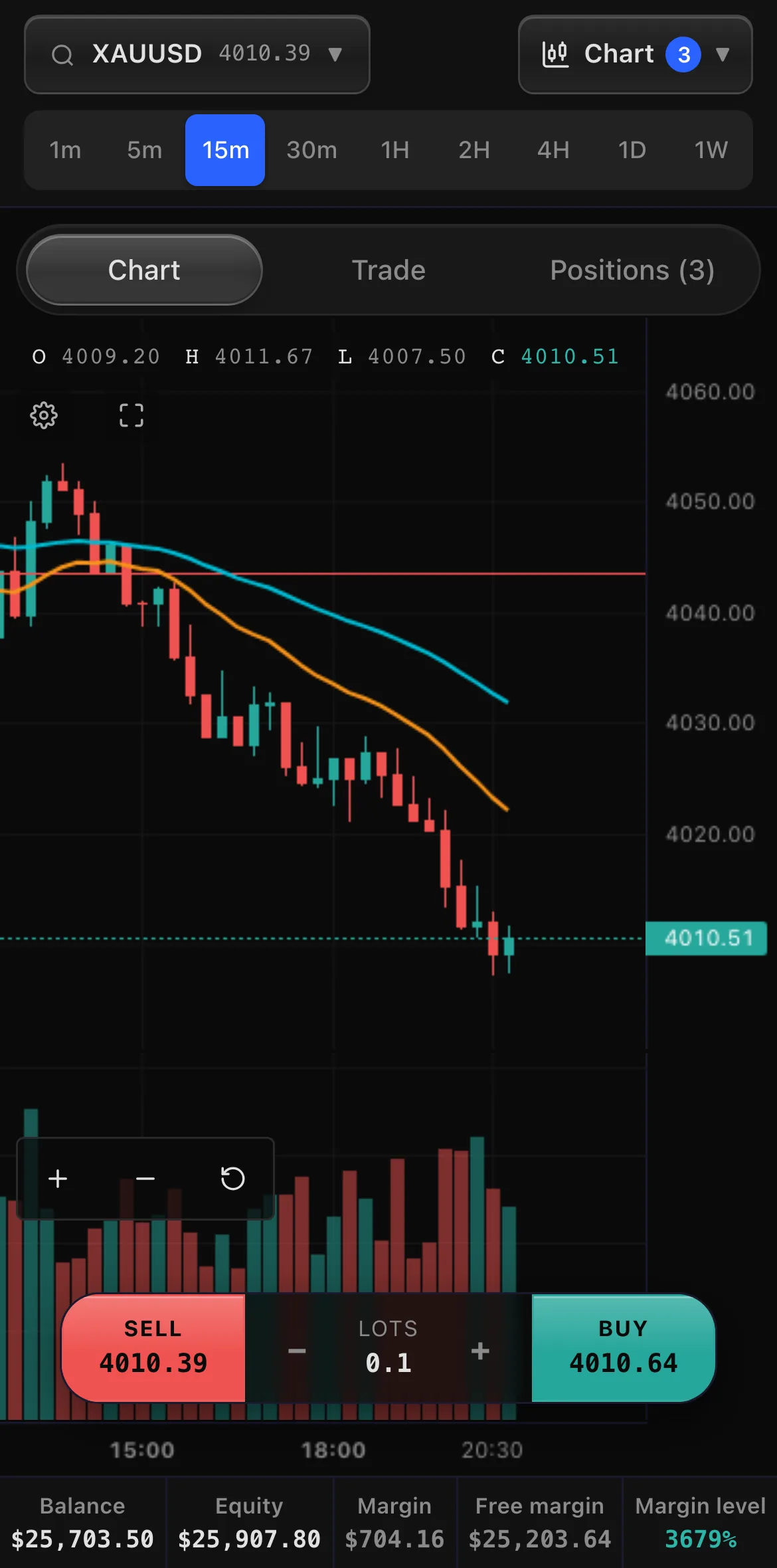
Sample market data and sample clients. "Your Brand" stands for your own name and logo.
RBI's Alert List covers promoters too
RBI publishes an Alert List of entities that are not authorised to deal in forex or to operate a forex electronic trading platform.
Read moreShow less: RBI's Alert List covers promoters too
The version updated as on 19 November 2025 has 95 entries, and RBI notes that the list is not exhaustive, so a name missing from it should never be read as authorised.
The list also covers websites that appear to promote unauthorised platforms through advertising or by claiming to offer training or advice, and in February 2023 RBI warned residents about promoters offering 'demo trading' in a 'simulated environment'. SEBI's 2018 advisory on foreign trading portals made a similar point from the securities side, cautioning investors to avoid unregulated web portals offering derivatives with high leverage and without KYC.
For a founder, that places marketing, education and practice accounts aimed at Indian residents inside the same legal question as live trading.
Rupees cannot leave India to fund forex or margin trading abroad
The Liberalised Remittance Scheme lets a resident individual send up to USD 250,000 abroad in a financial year, but not for this.
Read moreShow less: Rupees cannot leave India to fund forex or margin trading abroad
RBI's LRS Master Direction states that remittances for margins or margin calls to overseas exchanges or overseas counterparties are not allowed, and the scheme's FAQ lists remittance for trading in foreign exchange abroad among its prohibited items.
In practice that shuts the usual deposit route for an Indian client of an overseas forex or CFD broker before any payment provider is even asked. A plan built around Indian clients meets the payment problem before it reaches the licence problem.
How to get a forex trading license in India
A search for a forex trading license in India usually means a licence to run a forex brokerage for Indian residents.
Read moreShow less: How to get a forex trading license in India
The published rules offer two onshore routes, and neither is a licence to deal retail forex and CFDs over the counter.
The exchange route is to register with SEBI as a stock broker and trade as a member of the currency derivatives segment of NSE, BSE or MSE. Clients then trade exchange-traded futures and options on the currency pairs RBI permits: USD-INR, EUR-INR, GBP-INR and JPY-INR, and the cross pairs EUR-USD, GBP-USD and USD-JPY. Contracts involving the rupee are for hedging contracted exposure: a user may hold positions of up to USD 100 million across exchanges without first proving the exposure, but must have it and be able to show it if asked.
The other route is RBI authorisation to operate an electronic trading platform, described above. Neither covers leveraged trading on other pairs, metals or indices with a dealer, and a licence held by a company abroad does not change whom Indian residents may lawfully trade with. Before any plan, check the firms involved against RBI's Alert List, and take it to a lawyer who practises Indian foreign exchange and securities law. This is general information, not legal advice.
How founders based in India usually proceed
Those who go ahead typically set up a separately licensed entity abroad, accept clients only in markets where that licence permits it, and write Indian residents out of the client terms.
Read moreShow less: How founders based in India usually proceed
That does not settle the founder's own position: RBI's forex FAQ says residents who operate unauthorised trading platforms and collect or remit payments outside India are liable to penal action under laws including FEMA and the Prevention of Money Laundering Act, 2002. Whether you may own the entity from India, where it sits, which markets it may serve and what a team in India may lawfully do for it are questions for a lawyer who practises Indian foreign exchange law, answered in writing before launch.
Our page on how the offshore licence options compare lays out the usual shortlist without picking one for you. Nothing on this page is legal advice. Pelris is a software company and does not advise on licences.
Where the platform fits
Once the entity and its markets are settled, the platform lets your brokerage keep each client's trades in-house or cover them with a liquidity provider, from a branded terminal clients add to their phone's home screen.
Sample market data and sample clients.
Read moreShow less: Where the platform fits
It carries forex, metals, oil, indices, crypto and US stocks across 311 instruments, and deposits credit through the online checkout or after your staff approve them against the bank, crypto or e-wallet details you configure.
Common questions
Anything else? Our team answers 24/7.
Can Indian residents legally trade forex with an offshore broker?
RBI says residents may deal in foreign exchange only with authorised persons for permitted purposes, and may trade electronically only on RBI-authorised platforms or on NSE, BSE or MSE. Trading on an unauthorised platform exposes a resident to penal action under FEMA. How that applies to a particular business is for your own lawyer to say.
Can an Indian resident fund a forex or CFD account abroad under the LRS?
No. RBI's LRS directions bar remittances for margins or margin calls to overseas exchanges and counterparties, and the scheme's FAQ lists remittance for trading in foreign exchange abroad as prohibited.
How do I get a forex trading license in India?
There is no licence for dealing retail forex and CFDs with Indian residents over the counter. The routes that exist are SEBI registration as a stock broker on the currency derivatives segment of NSE, BSE or MSE, offering exchange-traded contracts on the seven currency pairs RBI permits, and RBI authorisation to operate an electronic trading platform. Ask a lawyer in Indian foreign exchange law before you plan either.
Is there a forex broker licence in India?
Not in the sense offshore regulators use the term. RBI authorises electronic trading platform operators, which must be companies incorporated in India with a net worth of at least ₹5 crore, and SEBI registers stock brokers for exchange-traded products. We found no licence in either framework for filling retail forex and CFD orders over the counter.
Get the technology question settled early
Book a demo and see the platform carrying your brand, priced in flat USD from day one.