The regulatory question is first, and it differs by country
The most common mistake is treating South Asia as one market. The Reserve Bank of India confines retail foreign exchange to specified currency derivatives on recognised Indian exchanges and publishes an alert list of unauthorised platforms. The Securities and Exchange Commission of Pakistan has warned publicly about unauthorised online forex platforms, and the State Bank restricts remitting funds abroad for that trading. In Bangladesh, the Foreign Exchange Regulation Act, 1947 allows only authorised dealers, meaning licensed banks and money changers, to deal in foreign exchange. Sri Lanka's position sits under its Foreign Exchange Act, with the Central Bank cautioning residents about leveraged online forex.
None of that is legal advice. A serious founder's first conversation is with a lawyer who practises in their country, before any software vendor. A vendor who talks past that to sell a platform does the founder no favour.
Structure follows the law
Because of those positions, the common path is to establish the operating entity outside the home country and serve international clients, under a regulator and a banking setup that will accept a business of that shape. That is a decision with legal, tax and banking consequences, and it belongs with advisers who can see the whole position.
For planning, this decision is independent of the technology. The platform is the same wherever the entity lands, so the legal track and the software track can run in parallel.
Payments are usually the main constraint
First-time founders expect licensing to be the hard part. In this region it is frequently the money rail. Which payment providers will accept a brokerage of a given shape, in a given jurisdiction, decides more about whether it can operate than almost anything else.
The most useful hour of diligence is asking the intended payment providers what they will and will not accept before committing to a jurisdiction, and treating that answer as a constraint on everything upstream of it. Discovering it after registering somewhere is expensive.
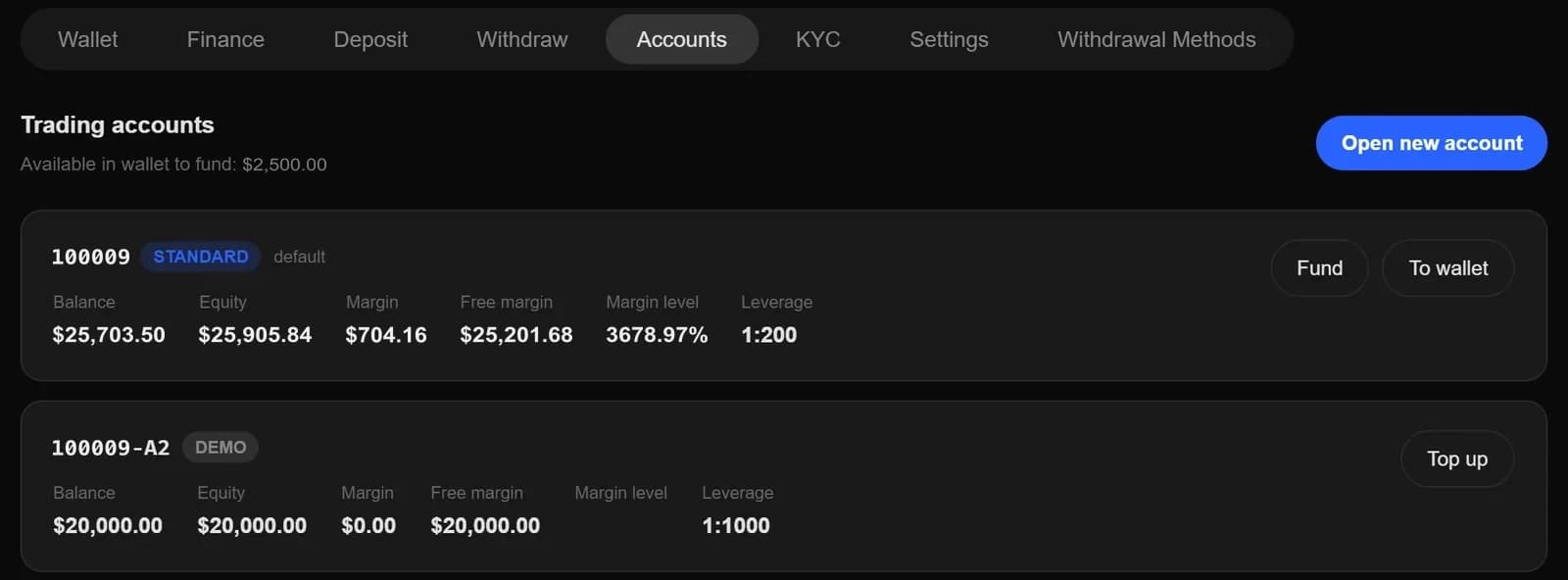
Sample data and sample clients.
Technology is the fast part, and comes last
Once the structure is settled, the software takes weeks: a branded client terminal, a staff CRM, an introducing broker system that settles commissions, a dedicated domain and a dedicated database. A build takes years of engineering.
It should install to a phone home screen in one tap, because across this region clients are on mid-range Android devices and an app store download is friction that costs conversions. If a vendor quotes many months to stand up software, that is worth questioning. The slow parts are legal structuring and payment onboarding, and those start first.
The order is lawyer, then structure, then payments, then technology. The country pages for India, Pakistan, Bangladesh and Sri Lanka set out the specific regulator position for each market.

One sample platform switching between made-up brands: the name, logo, colour, typeface and web address change on the terminal and the phone sign-in.
Sample brands, made up for this page.
Sample data and sample clients.
Pelris builds brokerage software and is not a law firm or a broker. Nothing in this guide is legal, regulatory, financial or investment advice. Confirm your own position with a lawyer who practises in your jurisdiction before acting.