Southern Africa
Starting a forex brokerage in South Africa
South Africa asks a CFD brokerage for two separate permissions from the Financial Sector Conduct Authority. A FAIS licence covers advice and intermediary services in financial products, and authorisation as an over-the-counter derivative provider lets a firm issue CFDs as principal. The FSCA has said in public that the first without the second is not enough. This page reads both, the registration with the Financial Intelligence Centre that follows, and the exchange control rules South African clients meet, then covers the platform you run.
What South Africa asks of a CFD brokerFrom this guide's sources
- FSCAFAIS licence, Category I applicationR2,697
- FSCAODP authorisation applicationR53,000
- FSCAODP equity capitalsix months of operating expenses
- FICRegistrationthrough the FIC's goAML system
Figures and rows from this guide's own sources. Sample market data, sample clients and sample brands. "Your Brand" stands for your own name and logo.
On your platform
How the platform fits this route
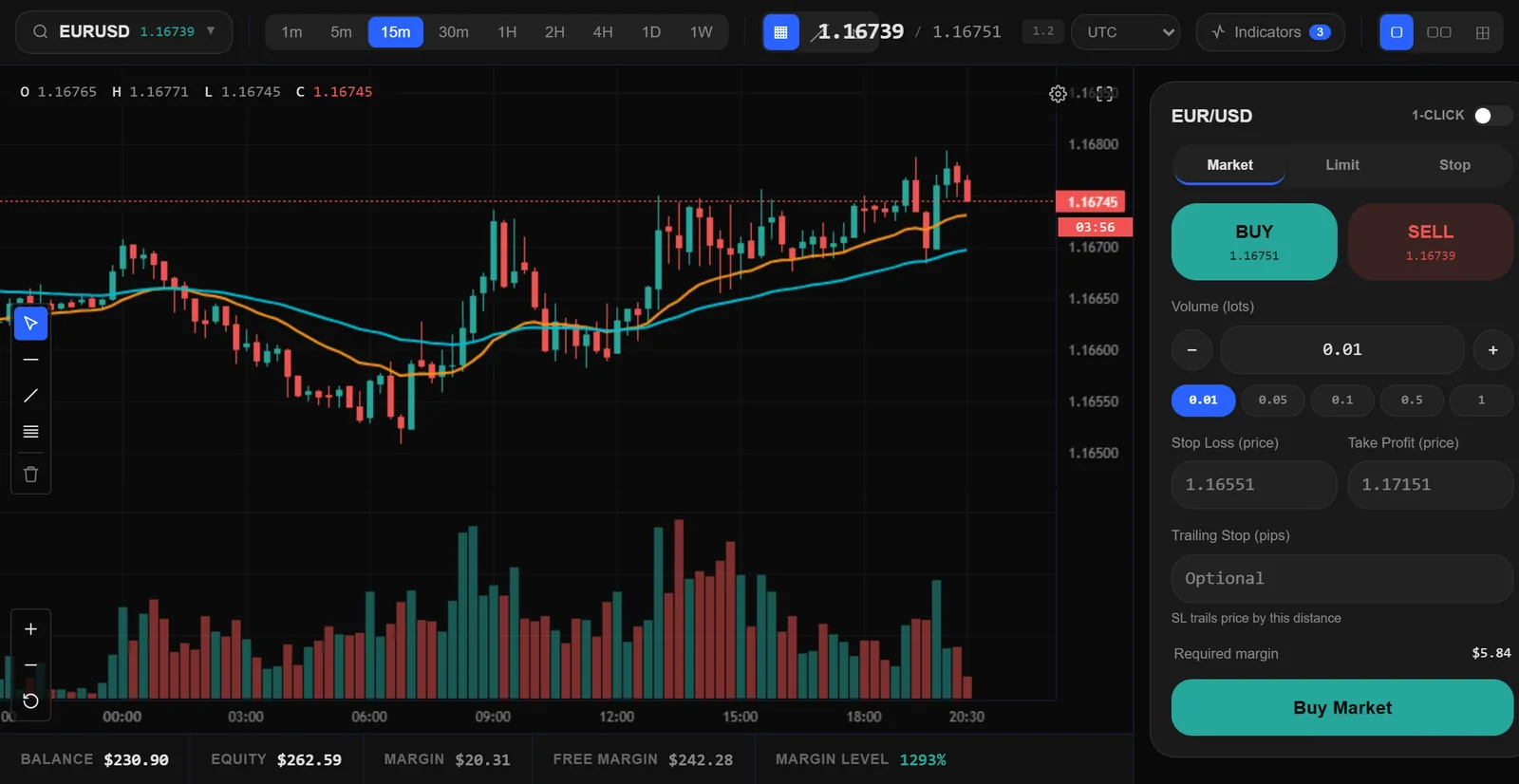
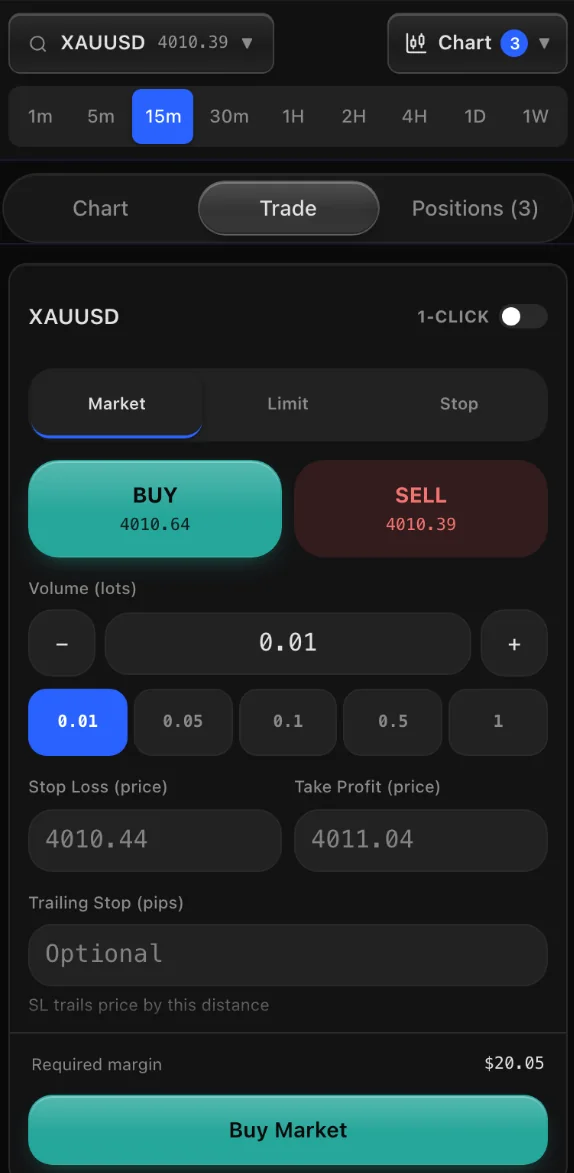
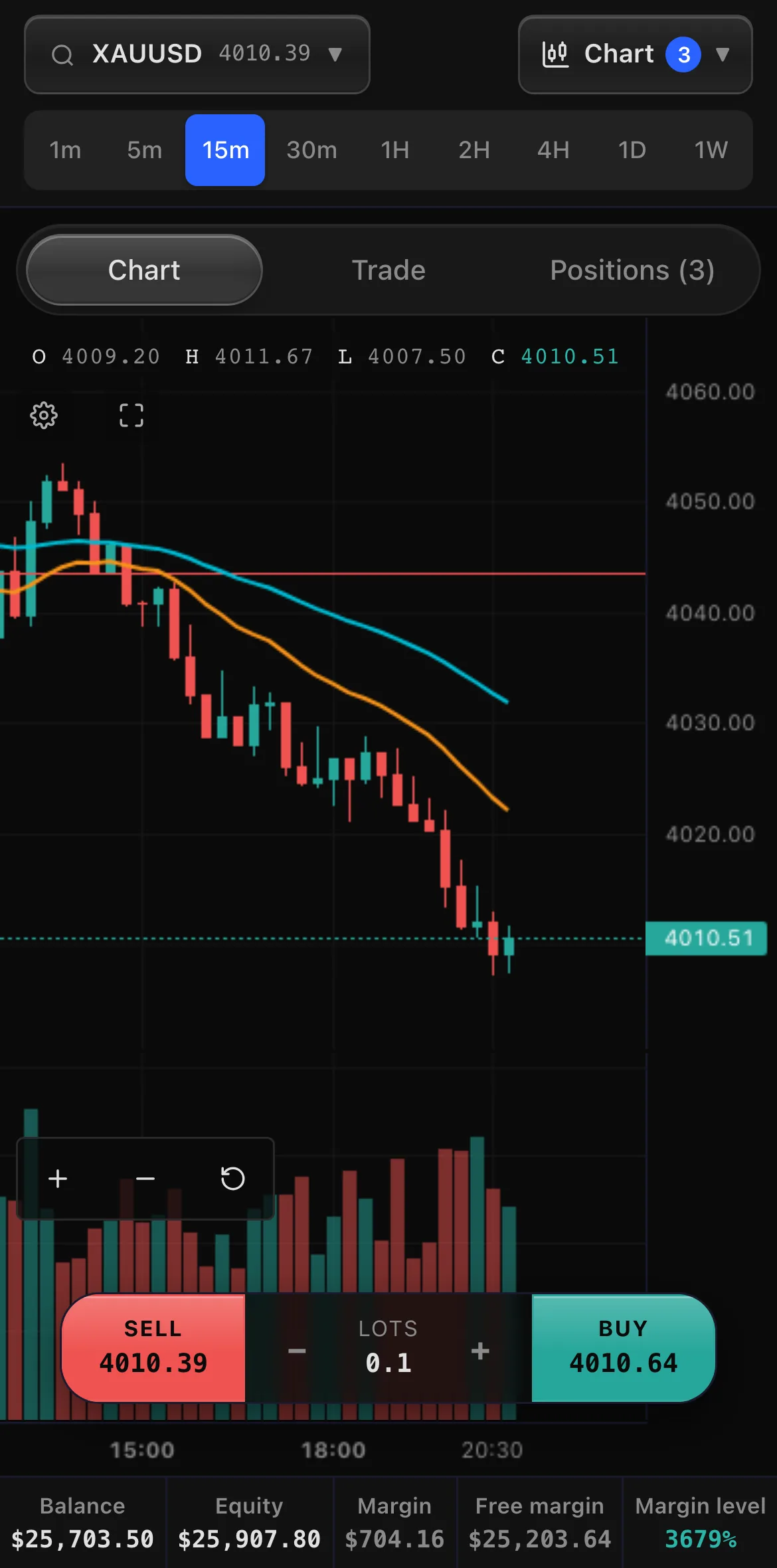
One deployment on your brand, domain and database: the terminal your clients trade on, and the CRM your team runs.
Sample market data and sample clients. "Your Brand" stands for your own name and logo.
Registering with the Financial Intelligence Centre
A licensed FSP is an accountable institution under Schedule 1 to the Financial Intelligence Centre Act, 38 of 2001, with the anti-money laundering duties that Act sets.
Read moreShow less: Registering with the Financial Intelligence Centre
Section 43B requires an accountable institution to register with the Financial Intelligence Centre, and registration runs through the FIC's goAML system. The FIC's guidance on registration, Public Compliance Communication 5D, reflects the changes to Schedule 1 that took effect on 19 December 2022.
Which permission fits the platform
On our platform your brokerage is the counterparty to each client's CFD trade, whether you keep it in-house or cover it with your liquidity provider.
Read moreShow less: Which permission fits the platform
That is issuing OTC derivatives as principal, the business the FSCA authorises as an ODP, on top of the FAIS licence. A firm that only introduces clients to another firm's CFDs runs a different business, so settle with your adviser which one you are before you apply.
FSCA warnings and the public register
The FSCA warns the public about unauthorised forex firms through press releases, and in 2026 it has acted against an FSP that was not an authorised ODP.
Read moreShow less: FSCA warnings and the public register
Its warning of 22 September 2026 listed the red flags it sees: unrealistic or exaggerated returns, offers made on social media, demands to pay for services upfront and demands to pay more before money is returned.
Anyone can check a firm on the FSCA's register of financial services providers and its list of authorised OTC derivative providers. For a licensed broker that is an advantage: point new clients to your own entries from the first conversation, and keep your marketing well clear of every red flag on that list.
Serving South Africans from a licence elsewhere
Some founders serve South Africans from a licence held in another country.
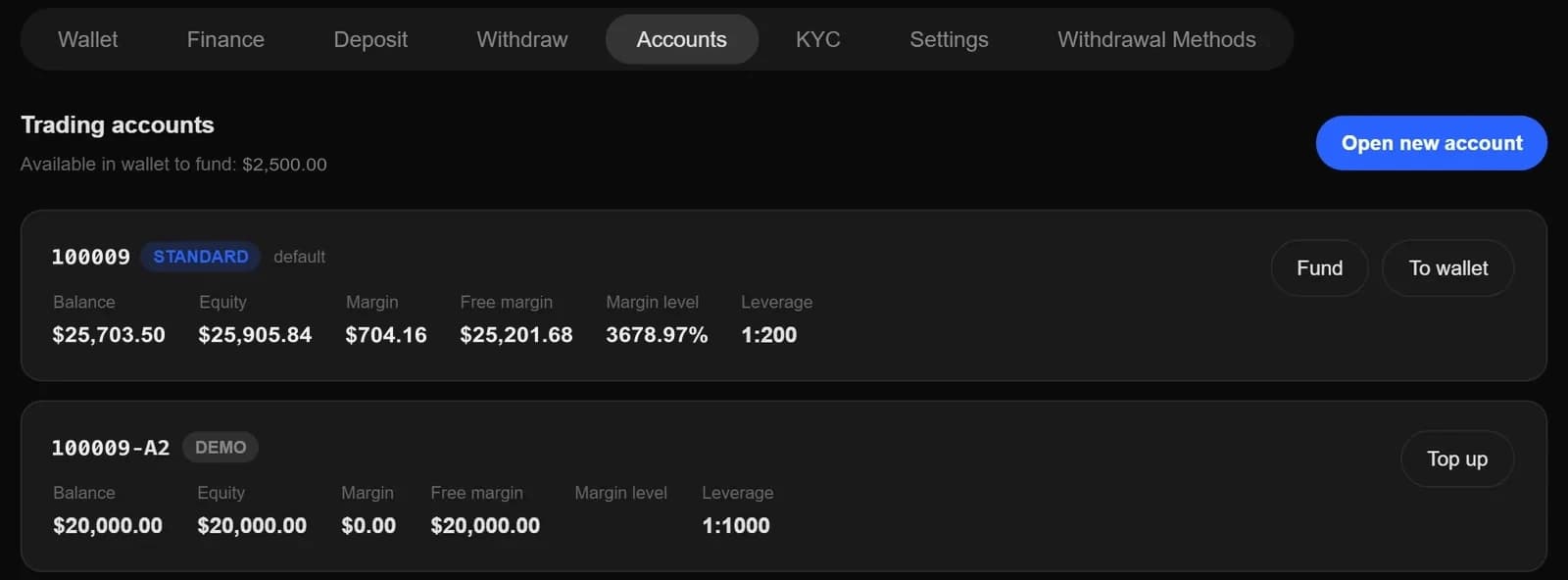
Sample data and sample clients.
Read moreShow less: Serving South Africans from a licence elsewhere
Their clients then fund offshore accounts inside the exchange control allowances. The South African Reserve Bank's Circular 6/2022 lets residents use their single discretionary allowance or their foreign capital allowance for online trading, CFDs included, paid by bank transfer through an authorised dealer and never with a South African credit, debit or virtual card.
Circular 6/2026 raised the single discretionary allowance from R1 million to R2 million from 8 April 2026. Larger sums go through the foreign capital allowance, up to R10 million a calendar year with approval from the tax authority. Whether you need a South African licence to market to residents at all is a question for your adviser.
Running the brokerage day to day
Clients trade on a terminal under your name, on the web and on any phone, across forex, metals, oil, indices, crypto and US stocks.
KYC review
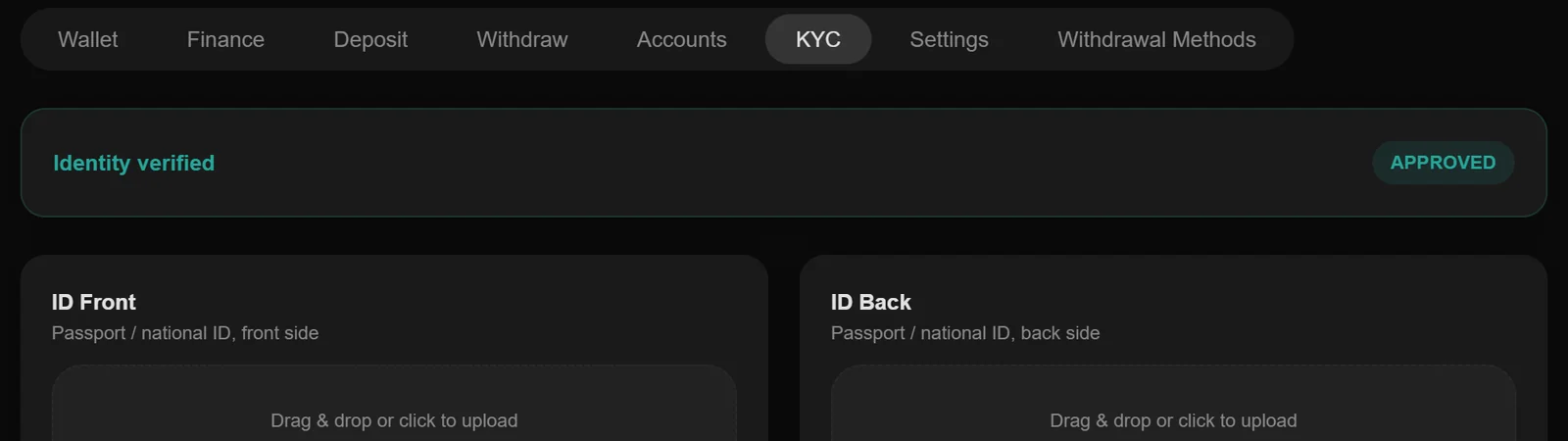
Sample data and sample clients.
Read moreShow less: Running the brokerage day to day
Spreads are set per account type, per client or per account, and leverage per account type or per account, so each client sits inside the limits your licence and your own policy set.
Behind it your staff run a CRM with five roles, from admin to sales. Identity documents are reviewed before any withdrawal goes out, deposits and withdrawals are instant or approved as you choose, and every sensitive staff action is logged with who did it and when, so the record is there when a regulator asks. Our plans are a flat monthly fee with no setup fee.
Common questions
Anything else? Our team answers 24/7.
Do I need an FSCA licence to run a forex or CFD brokerage in South Africa?
Yes. A FAIS licence covers advice and intermediary services, and a firm that issues CFDs as principal also needs authorisation as an OTC derivative provider under the Financial Markets Act Regulations. The FSCA said in April 2020 that the FAIS licence alone is not enough to trade CFDs.
What is an ODP?
An over-the-counter derivative provider: a person who, as a regular feature of its business and transacting as principal, originates, issues or sells OTC derivatives such as CFDs, or makes a market in them. Regulation 2 of the 2018 FMA Regulations forbids acting as one without the FSCA's authorisation.
How much does an FSCA licence cost?
The FSCA's application fees since 1 October 2024 are R2,697 for a Category I FAIS licence, R16,313 for Category II and R53,000 for ODP authorisation. Annual levies, staff, capital and advisers come on top.
How much capital does an ODP need?
FSCA Conduct Standard 1 of 2018 asks for equity capital held in South Africa equal to at least six months of operating expenses, reported quarterly. The FSCA published a discussion document on new ODP capital rules on 30 March 2026, so check the current position with your adviser.
Does a South African broker register with the FIC?
Yes. A licensed FSP is an accountable institution under the FIC Act and must register with the Financial Intelligence Centre under section 43B, through its goAML system.
Which permission suits your platform?
On our platform your brokerage is the counterparty to each client's CFD trade, which is the business the FSCA authorises as an ODP, on top of the FAIS licence. Your adviser should confirm it for your plan.
Do you help with the FSCA application?
No. We build brokerage software. Licensing should be handled with South African compliance advisers, and we work alongside whoever you appoint.
Have the platform ready for the FSCA's questions
Book a demo and see the terminal and the CRM on your brand, with the records and controls a South African licence asks about.